Journalists to Editors
The promotion we didn't expect

When ChatGPT took AI mainstream, many of us feared it might take our jobs. In a way, it did. By giving us a promotion! In the old world, we were journalists. The ones writing articles (code). Now, we’re editors!
A useful metaphor
Think about the media (newspaper) industry. In particular, the dynamic between editors and journalists.
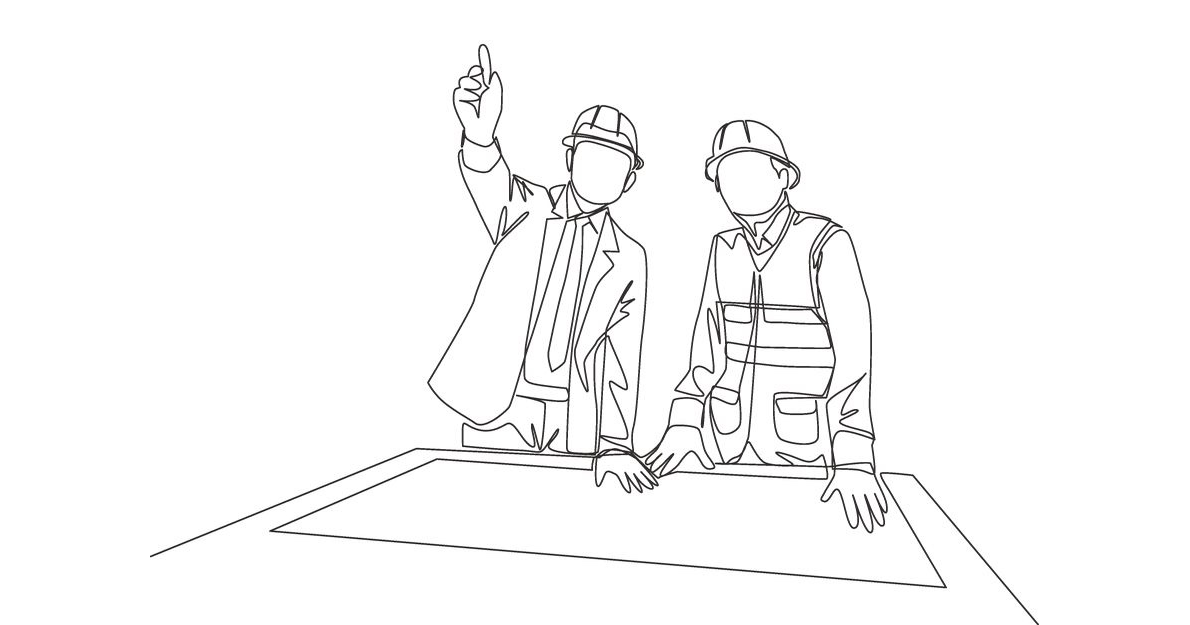
Editors instruct journalists. Journalists write the content or articles. Editors validate and edit their writings. The result: a publishable work.
Once the content has been created, editors publish it. Thereafter, they monitor the public's reaction. If need be, they clarify, correct, or follow up with another publication.
AI's capabilities promoted us to editors. We're not so bogged down by the grunt work of content creation anymore. We delegate most of that to our journalists. Our AI agents.
As editors, we instruct our journalists in natural language. We validate and edit their writings. Once we’re satisfied with the quality, we publish it (release it to prod).
After our release, we monitor the public's reaction. We clarify the behaviour of our solution to the business and stakeholders. We correct by fixing problems. We follow up with more deployments.
We do this continuously.
What's needed to be a great editor?
We need to be well-versed in the art of prompting. It’s how we instruct our journalists.
We must be skilled in grammar. Think programming languages, libraries, and frameworks.
Prose and writing style! It’s how the work feels when someone reads it. Think architecture, principles, patterns, and coding standards.
We need a process to optimise content creation from ideation to publication. Think Agile, Kanban, and DevOps.
Letting go. Letting go of the plan to be a journalist for one's whole life. Of wowing people with your brilliant writing (coding) skills. Clinging to that fantasy will prevent you from unlocking your inner editor.
AI helped me to let go of even more. But that's a topic for another day.
Editors also decide what topics will not be explored. Which articles will not get published. As Steve Jobs said, deciding what not to do is just as important as deciding what to do. Think YAGNI and the Tesla principle (the best part is no part).
Conclusion
Many engineers may have seen AI as an obstacle to their plan of being career-long journalists. Marcus Aurelius, the philosopher king, reminds us that the obstacle is the way. The obstacle is the way to a promotion. AI is the way of the editor!
About the author
Software Engineer at heart. Tech Lead by craft. With 16+ years in software engineering, I solve complex problems and enable the delivery of a continuous and efficient flow of value.
Comments
Join the discussionNo comments yet. Be the first to comment.